
 +251-925963212
Danakil Depression Ethiopia Tour
One of the most geologically fascinating destinations on the planet, the Danakil Depression is renowned as the hottest place on Earth. Discover the kaleidoscopic landscape of the Dallol cinder cone volcano, float in the hyper-saline Lake Afrera, and walk with the camel caravans and Afar people in this remote corner of Ethiopia.
Lake Asale
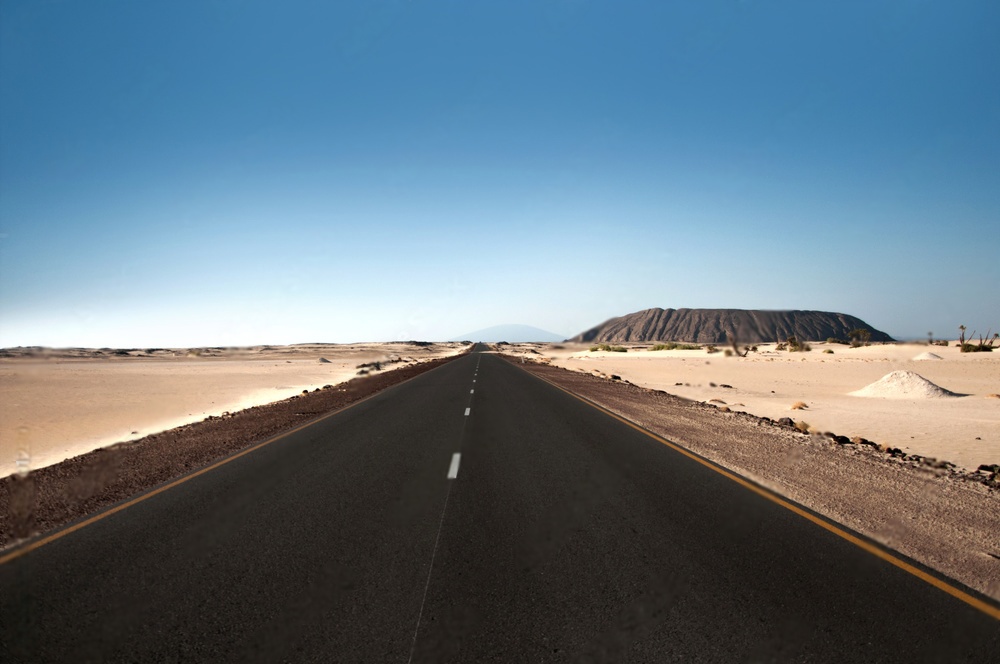
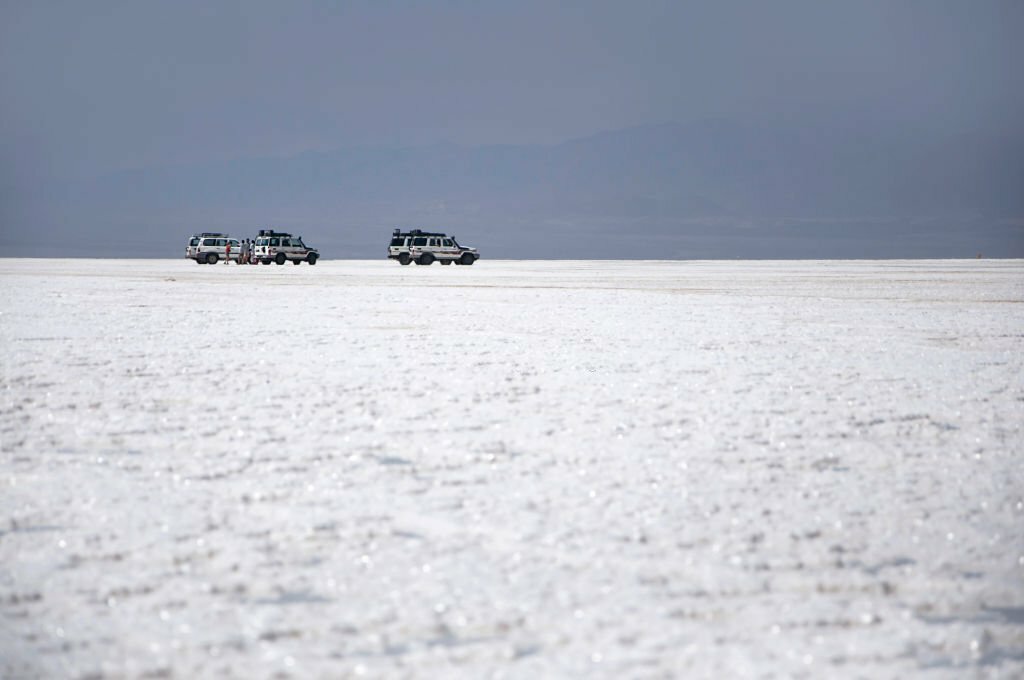
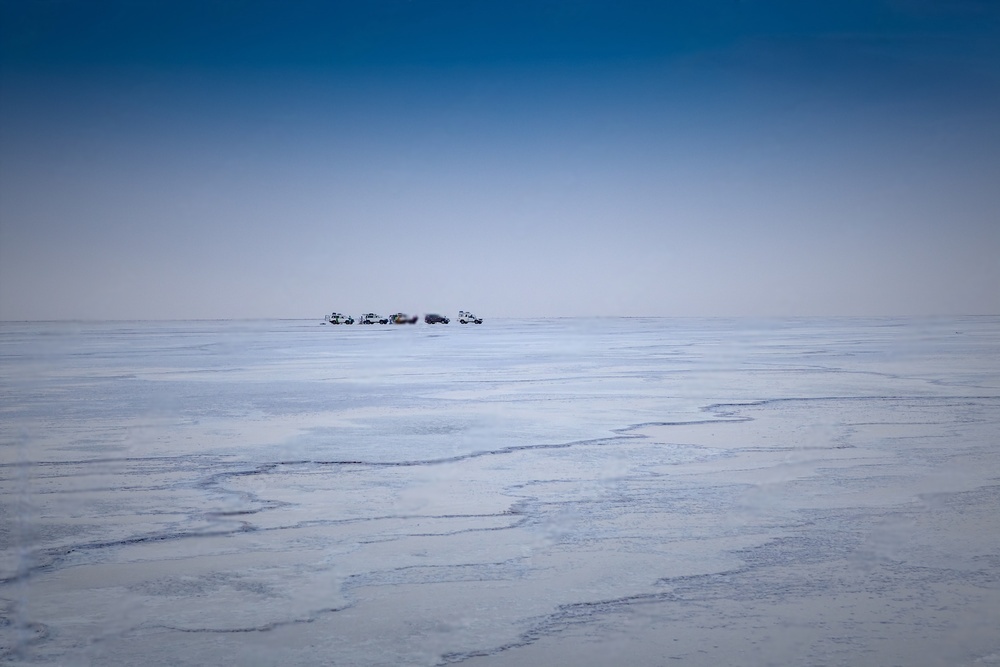
Drive by Lake Asale, one of the two hyper-saline lakes in the Danakil Depression. Lake Asale is one of the most visually striking lakes on Earth.
———————————————————
Dallol
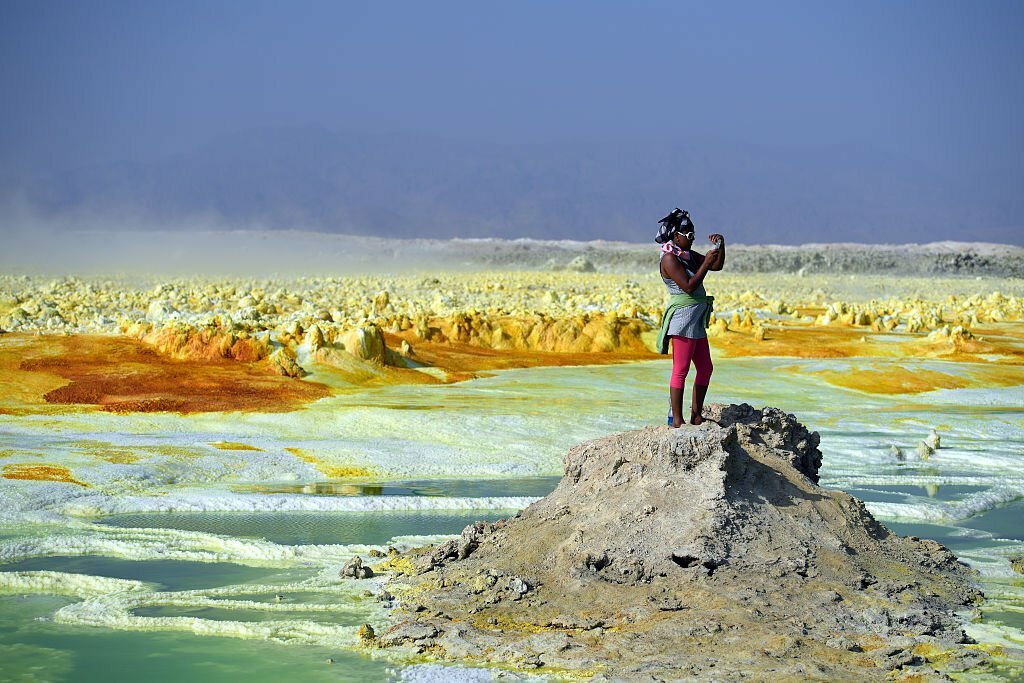
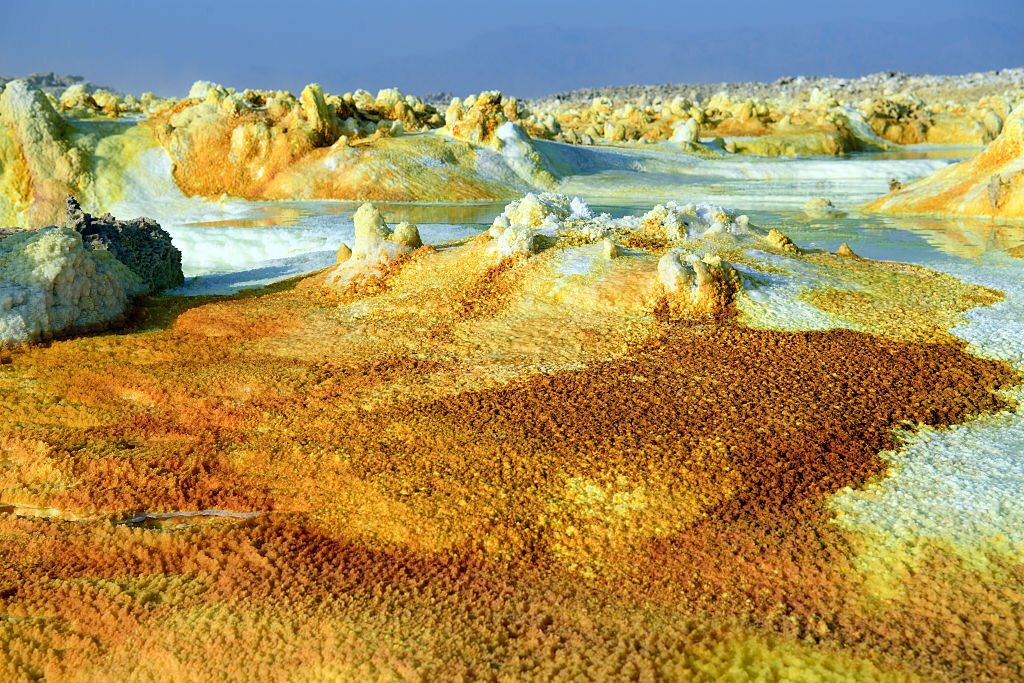
Discover Dallol, a cinder cone volcano in the Danakil Depression. Dallol is a canvas of bright green, reds, and yellows distributed across hundreds of hot acidic springs and mounds of salt deposits. It’s one of the most remarkable geological phenomena in the world.
———————————————
Salt Pans and Camel Caravans
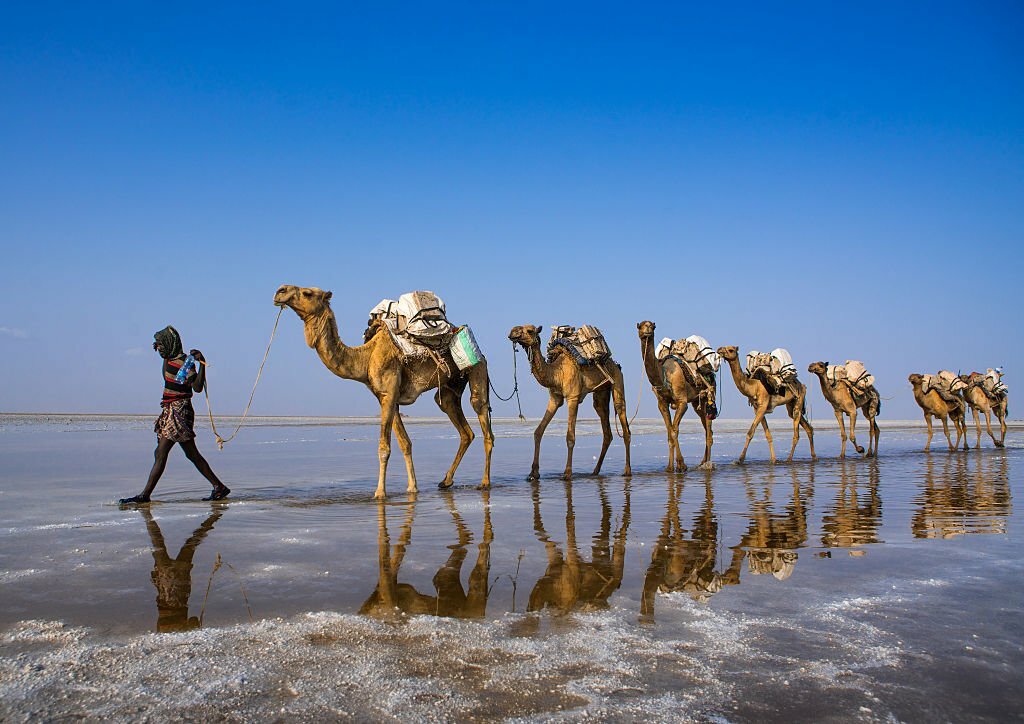
The Danakil desert contains miles of sprawling salt pans. Local Afar people manually extract the salt from the ground (working under the extreme Danakil sun) and transport the salt back to Mekele via camel caravans. Witnessing this process first-hand is a humbling experience.
———————————————
Itinerary
Day 1: Drive to Logia
Drive to Logia en- route cross Nazreth, Awash National Park, and visit the Afar village. Overnight hotel at Semera
Day 2: Drive to Afdera
Drive to Afdera and obtain the local permit and Afar guide. Visit Lake Afdera. Afdera (Afar Afxeera) is one of the woredas in the Afar Region of Ethiopia. It is named after the saline Lake Afdera, located in the southern part of the Afar Depression. Part of Administrative Zone 2, Afdera is bordered on the southwest by Administrative Zone 4, on the west by Erebti and Abala, on the north by Berhale, on the northeast by Eritrea, and on the southeast by Administrative Zone 1. The largest town of this woreda is Afdera.
Overnight camping on the beach side of Lake Afdera, enjoy the hot spring o/n camping.
Day 3: Drive to Ert Ale
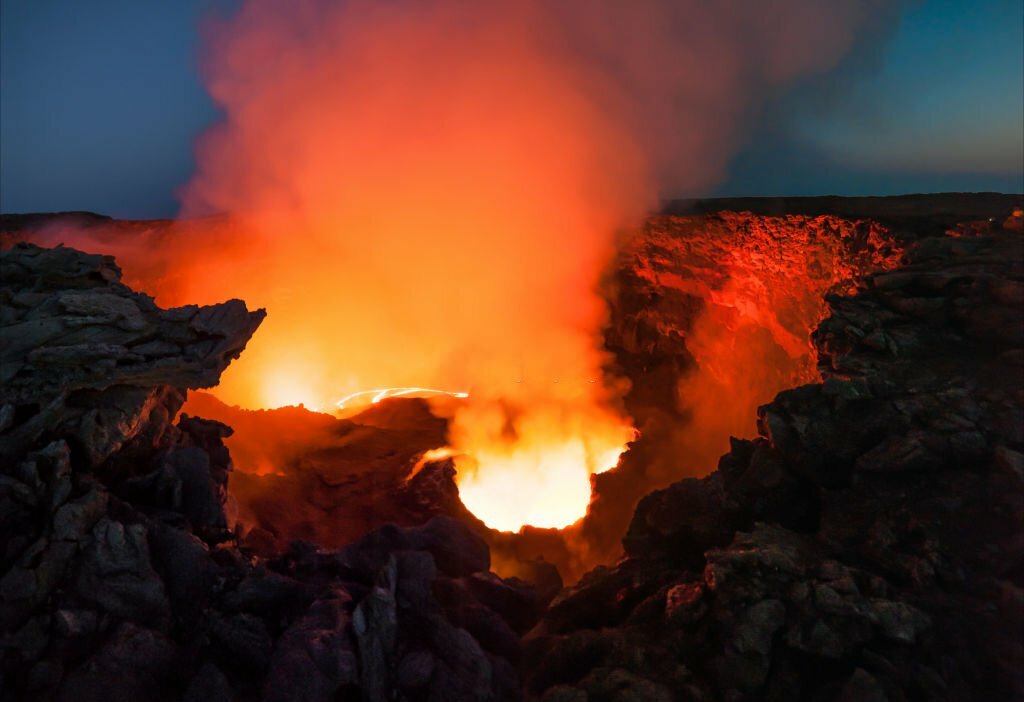
Proceed to Ert Ale via Kursewad , take police again, and drive to Waydoom. After having dinner we will trek about 3 ½ hours to arrive in the calderas of the volcanic mountain of Ert’Ale, an active volcano. Spend 2-3 hours visiting the volcano, and take some rest.
Erta Ale is 613 meters (2,011 ft) high, with one or sometimes two active lava lakes at the summit which occasionally overflow on the south side of the volcano. It is notable for holding the longest-existing lava lake, present since the early years of the twentieth century (1906). Volcanoes with lava lakes are very rare: there are only 6 on planet Earth. Dinner and overnight camping.
Day 4: Ert Ale
Early morning descend Ertale, have your breakfast at Dodom the base of the area, and drive to Ahmed Ella o/n local hotel. Erta Ale (or Ertale or Irta’ale) is a continuously active basaltic shield volcano in the Afar Region of northeastern Ethiopia.
Erta Ale means “smoking mountain” in the local Afar language and its southernmost pit is known locally as “the gateway to Hell”. It is situated in the Afar Depression, a badland desert area spanning the border with Eritrea. Erta Ale is the most active volcano in Ethiopia.
Day 5: Dallol
Early morning visit Dallol Depression, the bubbling sulfuric acid, Lake Asale which is full of salt, the salt extracting area, camel caravan, and afternoon drive to Mekele.
This scorching hot town in the Afar Depression of Ethiopia holds the record for having the highest average annual temperature ever recorded. From 1960 to 1966, Dallol averaged 94 degrees Fahrenheit (daytime temperatures regularly rose to over 100 degrees).
This number is an annual average, meaning that Dallol’s temperature dips only moderately throughout the year. There is almost never a break from the heat at any time of the year.
Day 6: Kombolcha
Drive to Kombolcha through the marvelous mountainside, and visit the Oromo, Amhara people’s way of life.
Kombolcha is a city and Woreda in north-central Ethiopia. Located in the Debub Wollo Zone of the Amhara Region. Tadesse Tamrat records that archeologists discovered “some remains of Christian settlements”, dated to the late first millennium of the current era.
When the missionary Johann Ludwig Krapf was led as a prisoner from Adare Bille’s capital to the Teledere House of the Wollo Oromo in April 1843 he passed Kombolcha, which he described as a village near the source of the Borkana River.
Day 7: Drive to Addis Ababa
Drive to Addis Ababa overviewing the shewan plateau, and the Great Rift Valley from Gemassa Gedel, cross the Tarmaber Tunnel, arrive in Addis attend a farewell dinner and it will be the end of the tour.